

England Nhs
إضافة تقييم متابعةنظرة عامة
-
تاريخ التأسيس مارس 1, 1989
-
القطاعات سباكة
-
المهام المنشورة 0
-
منتجات شاهدتها مؤخراً 511
وصف الشركة
NHS: A Universal Embrace
Within the bustling halls of an NHS hospital in Birmingham, a young man named James Stokes navigates his daily responsibilities with subtle confidence. His polished footwear whisper against the floor as he acknowledges colleagues—some by name, others with the familiar currency of a “good morning.”

James carries his identification not merely as a security requirement but as a symbol of inclusion. It sits against a neatly presented outfit that offers no clue of the difficult path that brought him here.
What distinguishes James from many of his colleagues is not obvious to the casual observer. His bearing gives away nothing of the fact that he was among the first recruits of the NHS Universal Family Programme—an undertaking crafted intentionally for young people who have spent time in care.
“It felt like the NHS was putting its arm around me,” James says, his voice measured but tinged with emotion. His observation captures the essence of a programme that strives to revolutionize how the vast healthcare system perceives care leavers—those vulnerable young people aged 16-25 who have emerged from the care system.
The statistics paint a stark picture. Care leavers often face poorer mental health outcomes, money troubles, accommodation difficulties, and lower academic success compared to their peers. Behind these clinical numbers are personal narratives of young people who have maneuvered through a system that, despite genuine attempts, regularly misses the mark in providing the supportive foundation that forms most young lives.
The NHS Universal Family Programme, established in January 2023 following NHS England’s commitment to the Care Leaver Covenant, embodies a profound shift in organizational perspective. Fundamentally, it acknowledges that the whole state and civil society should function as a “communal support system” for those who have missed out on the security of a typical domestic environment.
Ten pathfinder integrated care boards across England have blazed the trail, developing structures that reimagine how the NHS—one of Europe’s largest employers—can extend opportunities to care leavers.
The Programme is detailed in its strategy, starting from comprehensive audits of existing policies, forming oversight mechanisms, and garnering leadership support. It understands that effective inclusion requires more than lofty goals—it demands tangible actions.
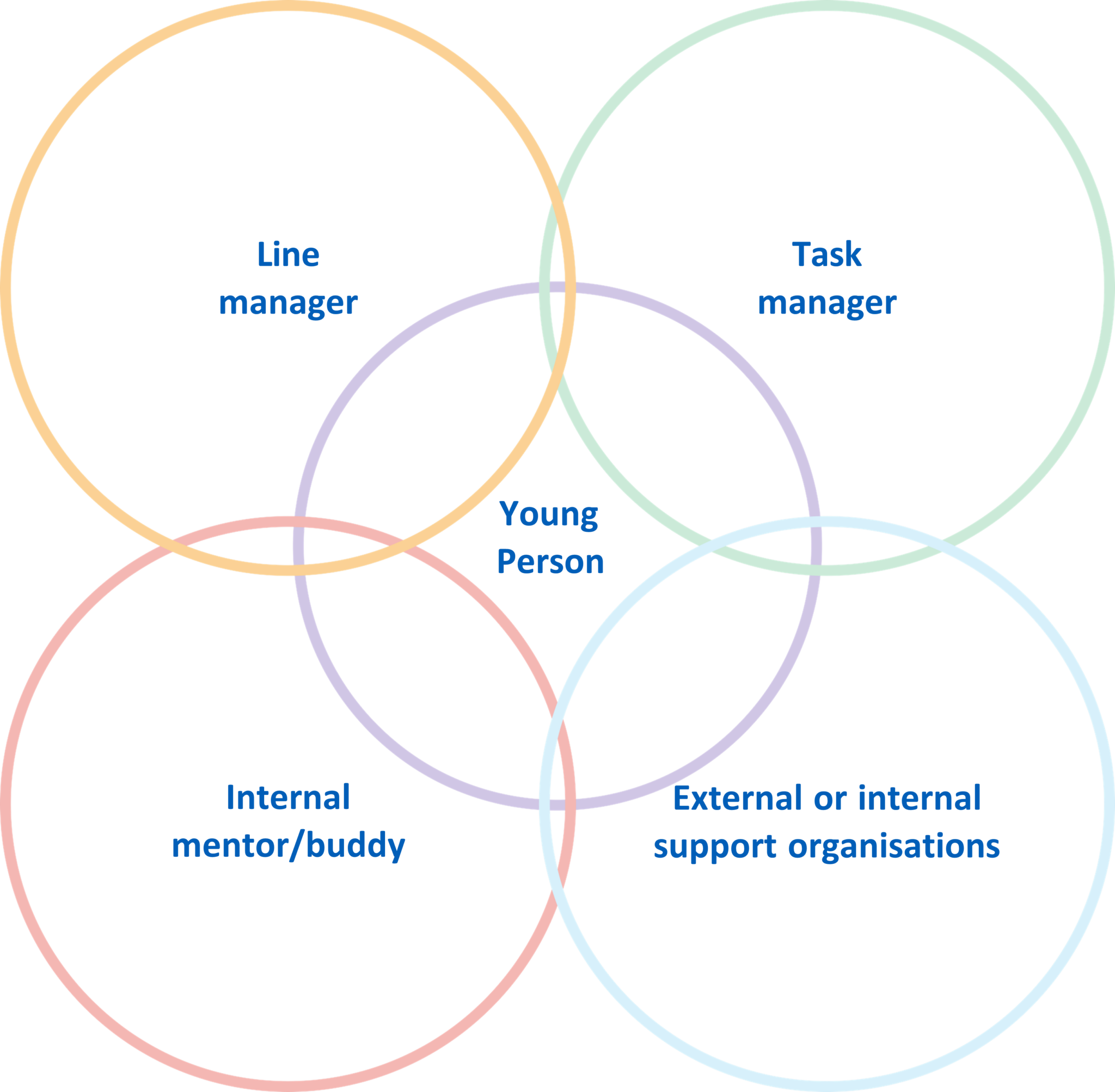
In NHS Birmingham and Solihull ICB, where James found his footing, they’ve developed a reliable information exchange with representatives who can offer support, advice, and guidance on wellbeing, HR matters, recruitment, and equality, diversity, and inclusion.
The conventional NHS recruitment process—structured and possibly overwhelming—has been intentionally adjusted. Job advertisements now focus on character attributes rather than numerous requirements. Applications have been redesigned to consider the unique challenges care leavers might experience—from lacking professional references to facing barriers to internet access.
Perhaps most significantly, the Programme acknowledges that starting a job can present unique challenges for care leavers who may be handling self-sufficiency without the safety net of family resources. Concerns like transportation costs, proper ID, and financial services—assumed basic by many—can become significant barriers.
The elegance of the Programme lies in its thorough planning—from outlining compensation information to helping with commuting costs until that essential first wage disbursement. Even ostensibly trivial elements like break times and office etiquette are carefully explained.
For James, whose professional path has “revolutionized” his life, the Programme delivered more than employment. It gave him a sense of belonging—that elusive quality that emerges when someone is appreciated not despite their background but because their particular journey improves the workplace.
“Working for the NHS isn’t just about doctors and nurses,” James observes, his eyes reflecting the subtle satisfaction of someone who has found his place. “It’s about a family of different jobs and roles, a team of people who truly matter.”
The NHS Universal Family Programme embodies more than an employment initiative. It functions as a powerful statement that organizations can adapt to welcome those who have known different challenges. In doing so, they not only alter individual futures but improve their services through the special insights that care leavers bring to the table.
As James navigates his workplace, his participation quietly demonstrates that with the right help, care leavers can thrive in environments once thought inaccessible. The embrace that the NHS has extended through this Programme represents not charity but appreciation of untapped potential and the profound truth that each individual warrants a support system that champions their success.